Silicones in hair care: harmful or not
People say different things about silicones in hair care: some call them “plastic that suffocates hair”, others the secret of smoothness. A calm look at what silicones are, why they are in products, which ORO products contain them and how to avoid build-up.
What silicones are and why they are used
Silicones are a large group of ingredients; in ingredient lists they often end in “-icone” or “-siloxane”: Dimethicone, Amodimethicone, Cyclopentasiloxane and so on. They form a thin smooth layer on the strand surface, so hair tangles less, combs more easily, shines and frizzes less.
Different silicones work differently: Amodimethicone settles more on damaged areas of the lengths; Cyclopentasiloxane is light and evaporates, helping an oil or cream spread evenly.
Are silicones harmful
Silicones are permitted and widely used cosmetic ingredients. They don’t “suffocate” hair: the strand is not living tissue that needs to “breathe”.
The real issue is weight: if there are too many leave-ins and too little cleansing, fine hair can look heavy and lose freshness faster. It is a matter of amount and matching, not of silicones being “harmful”.
Silicones in ORO products
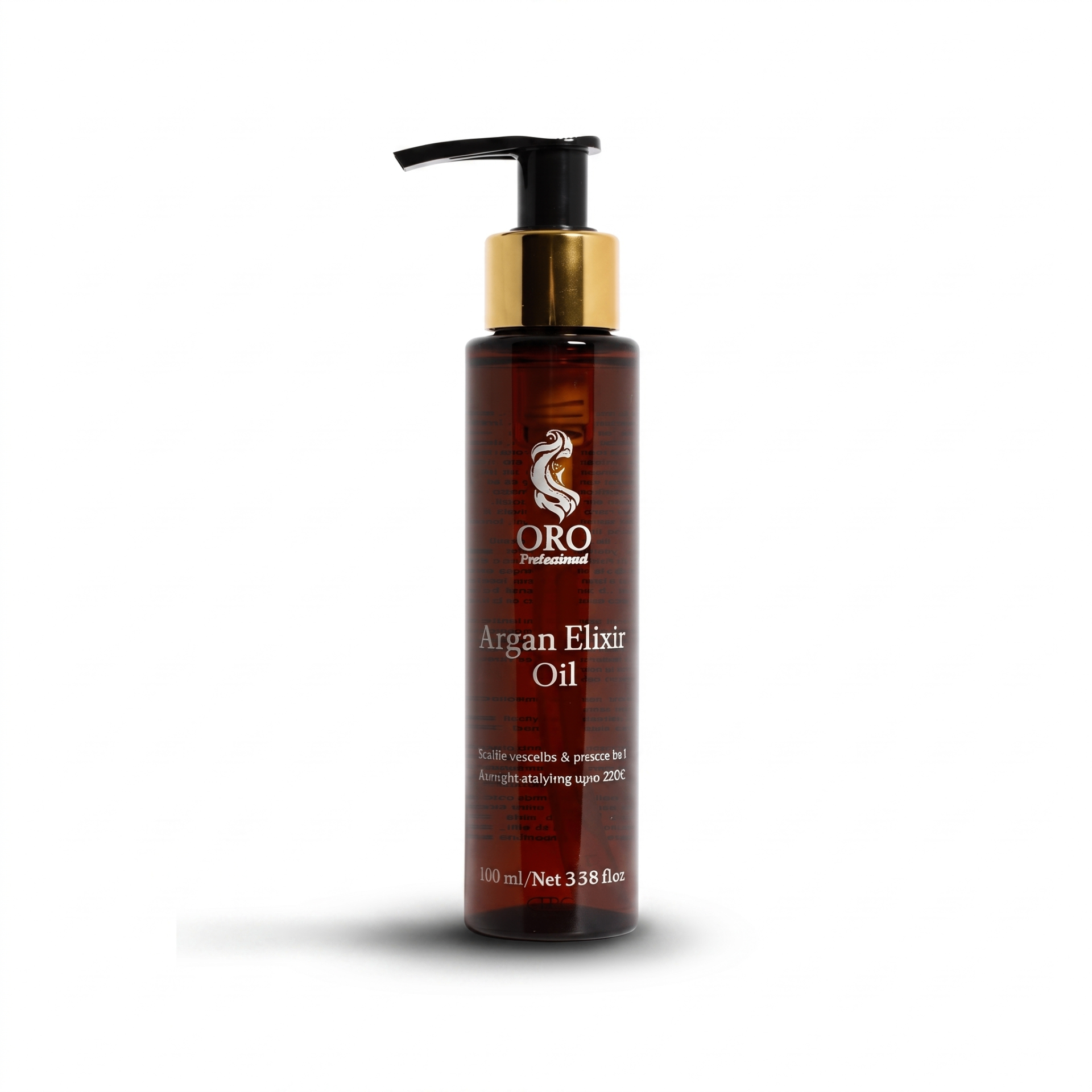
- Argan Elixir Oil — light silicones (Cyclopentasiloxane, Dimethiconol, Phenyl Trimethicone) with argan oil and vitamin E: that is why a few drops are enough for smoothness and shine without a greasy feel.
- Active Thermo Cream — Amodimethicone, Cyclopentasiloxane, Dimethiconol: they help smooth hair and reduce frizz during styling.
- The BioHydra Therapy and Lipid & Protein Therapy masks, Reconstruction PRO Balsam — conditioning silicones for smoothness and easier combing.
- Soft Care Shampoo — a small amount of Amodimethicone for softer lengths.
- Silicone-free formulas: Intensive Care Shampoo and Balsam, Soft Care Balsam, Reconstruction PRO Shampoo. The full ingredient list (INCI) is on every product page.
How to avoid build-up
- apply balsam, mask and leave-ins to the lengths only, not the roots;
- use oil a few drops at a time, starting with the minimum;
- rinse shampoo, balsam and mask thoroughly;
- if hair is fine and gets heavy quickly — choose the lighter Intensive Care system and use masks on schedule, not every time.
Step by step
- 01Shampoo on the scalp; rinse thoroughly.
- 02Balsam and mask from mid-length; rinse thoroughly.
- 03Active Thermo Cream — a small amount before a hairdryer or hot tools.
- 04Argan Elixir Oil — 1–2 drops on dry lengths, a little more if needed.
- 05If hair feels heavy — reduce the amount of leave-ins.
Common misconceptions
- “Silicones stop hair from breathing” — the strand doesn’t breathe; silicones only smooth its surface.
- “Silicones build up forever” — regular shampooing removes residue.
- “Silicone-free products are always better” — it depends on the hair and the goal: for smoothness and combing, silicones are useful.
- “Silicones heal hair” — the effect is cosmetic and lasts until the next wash.
Frequently asked questions
- Are silicones bad for hair?
- No, they are permitted conditioning ingredients that smooth the hair surface. Weight comes from too much product, not from silicones as such.
- Does shampoo wash silicones out?
- Yes, regular shampooing removes residue. Rinse balsam and mask thoroughly and don’t apply leave-ins to the roots.
- Which ORO products contain silicones?
- Argan Elixir Oil, Active Thermo Cream, the BioHydra and Lipid & Protein masks, Reconstruction PRO Balsam and a small amount in Soft Care Shampoo. The full ingredient list is on every product page.
- Which ORO products are silicone-free?
- Intensive Care Shampoo and Balsam, Soft Care Balsam and Reconstruction PRO Shampoo.
Related guides
- 20Ingredients
Argan oil for hair
How pure oil differs from a finishing oil, how to apply it and how much without weighing hair down.
A practical guide → - 10Fine hair
Fine hair without volume
Why fine hair gets weighed down, how to dose balsam, mask and oil, and how to dry for volume.
A practical guide → - 03Additional step
How to use a hair mask correctly
When a mask is useful, where to apply it, how long to keep it and why balsam still follows a mask.
A concise practical guide →
Products related to this topic
The right choice depends on your hair — take the personal match if you are unsure.
 Oil
Argan Elixir Oil
Finishing care for shine, softness and a polished look.
UAH 1,920View product →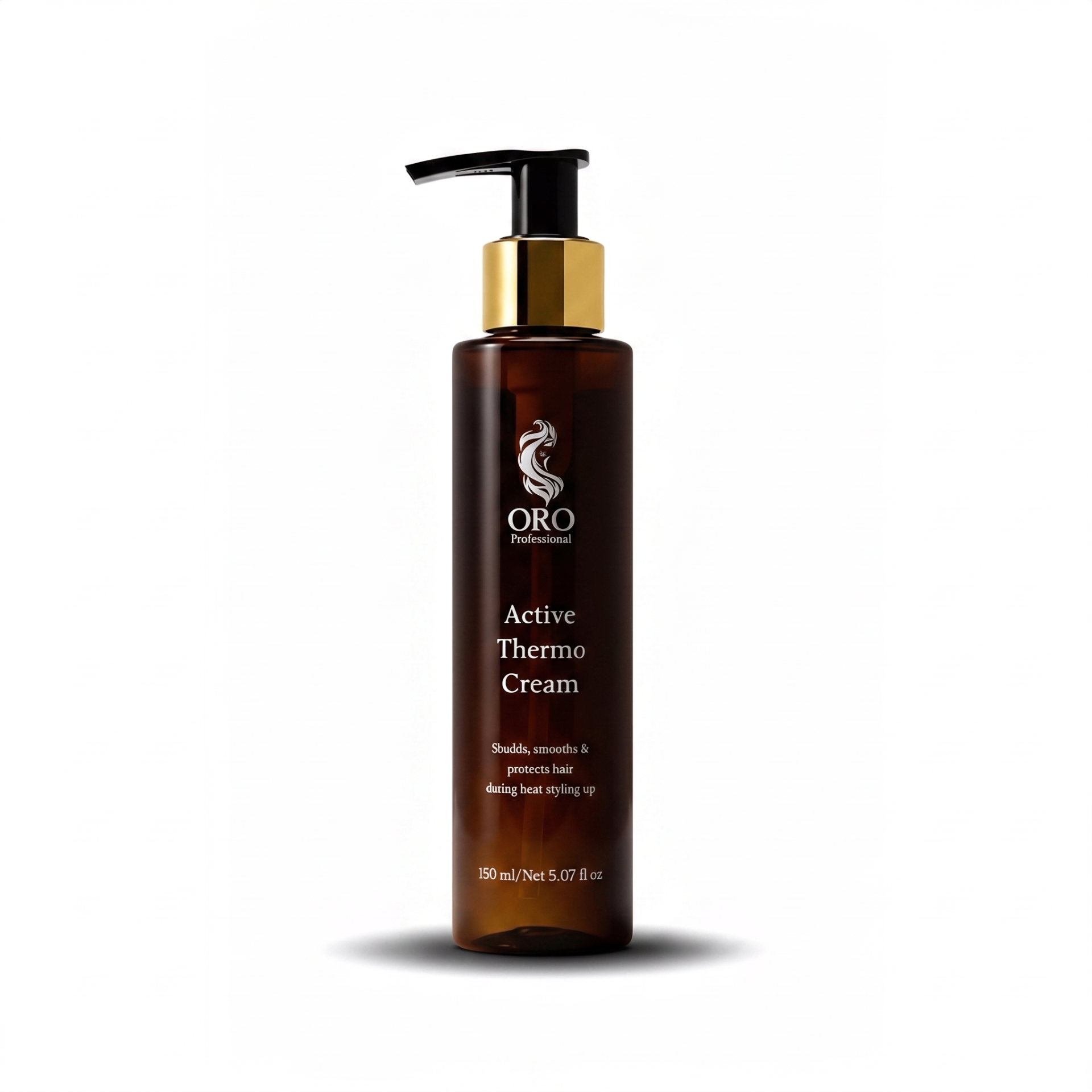 Heat protection
Active Thermo Cream
Heat protection and smooth control before blow-drying.
UAH 1,340View product →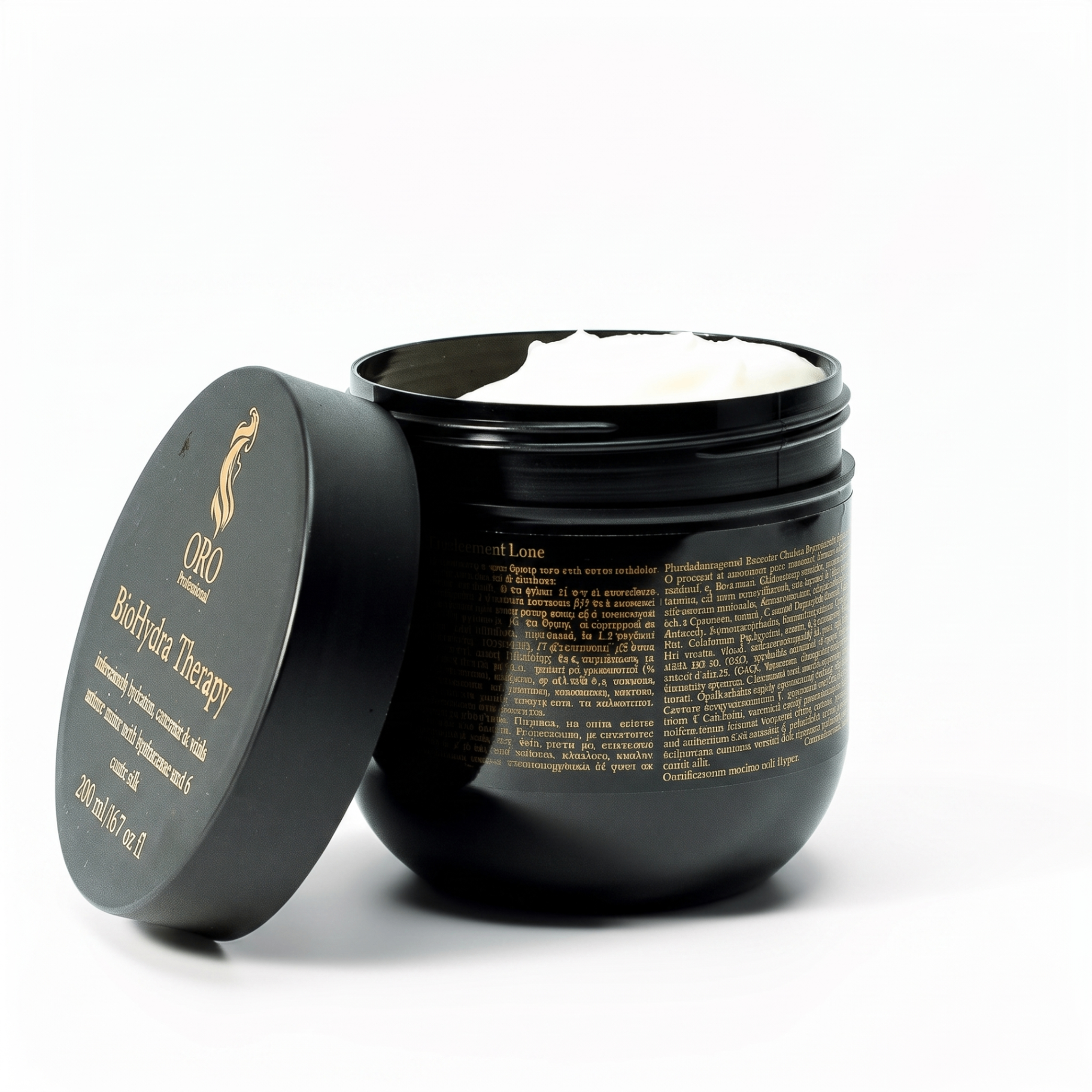 Mask
BioHydra Therapy Complex
Supportive hydration for softness, smoothness and elasticity.
UAH 1,900View product →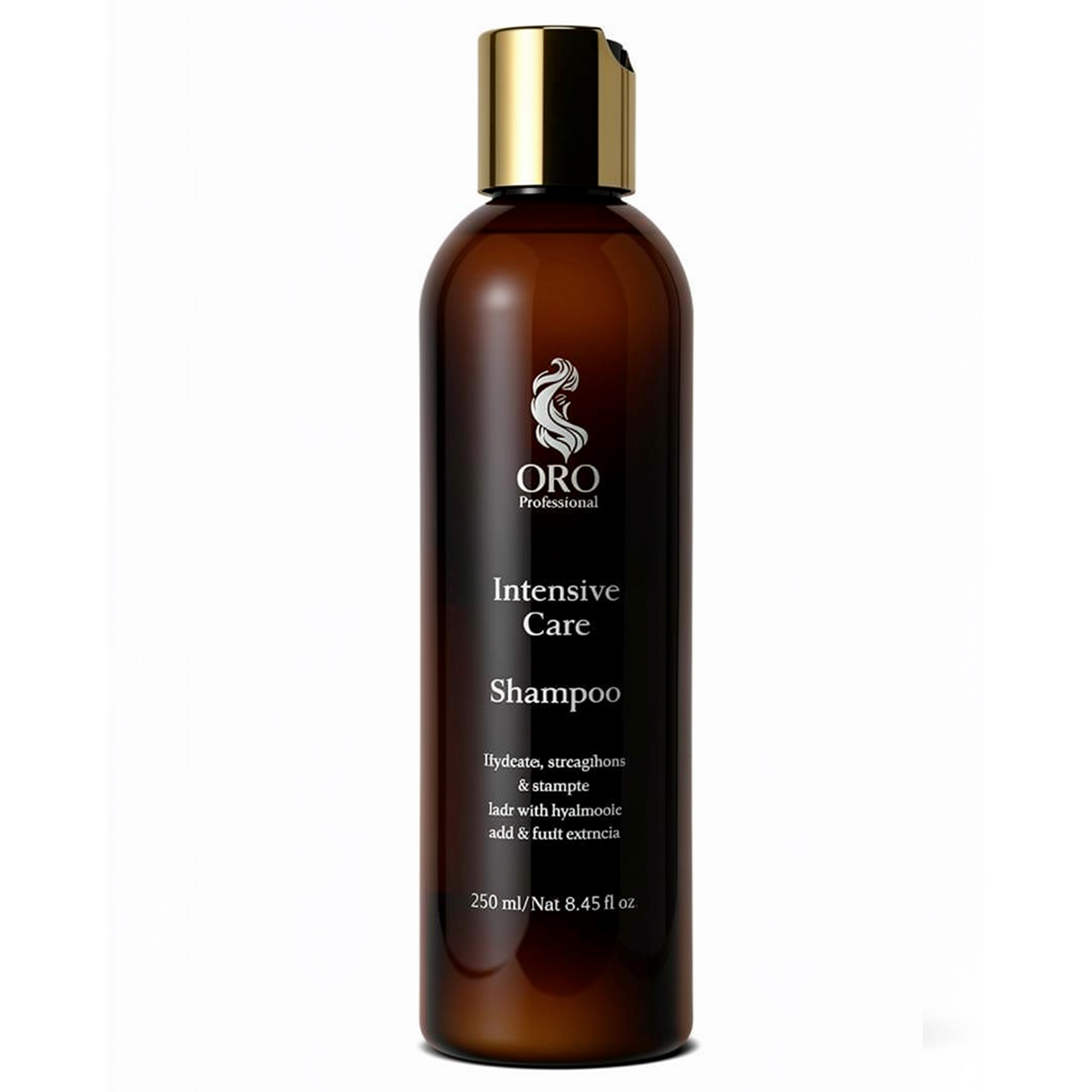 Shampoo
Intensive Care Shampoo
Balanced cleansing for freshness, lightness and regular care.
UAH 1,380View product →
Care systems where this step applies
The personal match shortens the path
A few short questions — and you receive a base system, one mask and the finishing steps that suit your hair.
Start the personal care match